
How can industrial machinery be imported safely from China?
A practical guide for manufacturing companies. Learn what to check when selecting a supplier and which certificates are required in the EU.
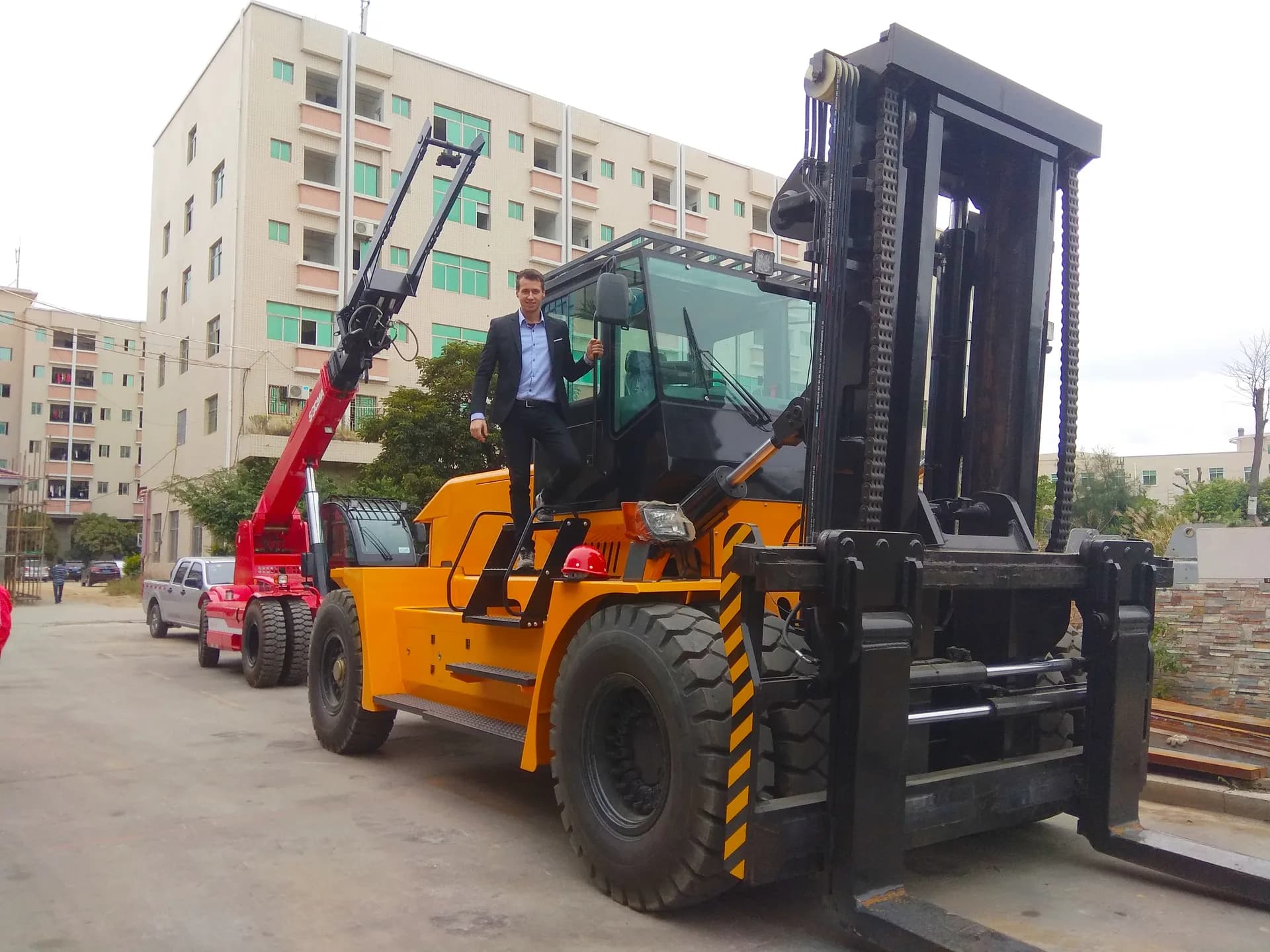
A safe machinery import begins well before transport. Industrial equipment is an engineering project: configuration, documentation, acceptance conditions and installation requirements should be agreed before the order. Decisions left only in sales messages can become expensive disputes after production.
1. Define the application and specification
Start with the process rather than the quoted price. Describe the material, required output, tolerances, power supply, interfaces, working environment and optional equipment. Confirm whether the quotation includes tooling, spare parts, software, training, installation and commissioning support.
- operating parameters and required capacity
- workpiece sizes or processing range
- safety equipment and accessories
- instruction, marking and interface language
- consumables and recommended spare parts
2. Verify the manufacturer
Check the business licence, beneficiary details, relevant experience and actual production capability. For higher-value orders, a factory audit can confirm equipment, staffing, quality organisation and whether critical processes are performed in-house rather than by an undisclosed subcontractor.
3. Address EU requirements before the deposit
A CE mark shown in a photograph or a general assurance from the seller is not enough to assess a specific machine. Intended use, final configuration, technical documentation, instructions, declaration and the standards used by the manufacturer should be established. Where specialist assessment is needed, it should happen before production while changes are still possible.
4. Put acceptance testing into the order
Acceptance criteria should be measurable. A test may cover operation on the customer's material, output, dimensions, alarms, guards, accessories, nameplates and document completeness. Agree how results will be recorded and how a failed item will be corrected and retested.
5. Plan payment and logistics in stages
The payment schedule should retain a meaningful control point before shipment. In parallel, confirm transport dimensions, centre of gravity, lifting points, preservation, wood packaging, unloading conditions and equipment required to position the machine at the destination.
Pre-shipment checklist
- the completed configuration matches the purchase order
- acceptance tests have a documented result
- documentation and markings identify the correct model
- loose parts, tools and accessories are inventoried
- packaging protects the machine through multiple handling stages
- the importer has the data required for freight and customs
A controlled project has decision gates before the deposit, production, balance payment and shipment. Problems are then found while the factory can still correct them at source.